Unique Melody MEST Fortune $2699 Review
October 21, 2026 § Leave a comment
The custom version of the MEST Fortune is a weighty, fulsome tuning, with an even-harmonic, almost euphonic, timbre throughout.
Nothing about this tuning is shrill, bright, or lean-sounding. It’s effortlessly smooth throughout with a saturated coloration that is very unlikely to ‘breakup’ with sibilant or brighter recordings.
Everything up to 1-2k is north of neutral, so it carries a good deal of warmth and power. Instruments deliver a pleasing fundamental frequency that will delight thrash metal, modern pop, and R’n’B rhythm section fans.
Vocals and percussion are more neutral in their imaging. It’s not as forward-sounding as the MEST Jet Black in the mids, nor does it have the same levels of note contrast as the Maven II Crescent or the older Maven Pro.
Instead, it generates a subjective feeling of relaxation. This is more of an easy-going sound with a slightly looser ‘phatter’ bass delivery. Combined with a treble lift shifted more to the upper than lower FR, it creates a gentle sheen on notes rather than a drier, hard-hitting impact.

Spec RSA-EX1000 Integrated Amplifier $42,000 Review
October 21, 2026 § Leave a comment
https://www.soundstageultra.com/index.php/equipment-menu/1319-spec-rsa-ex1000-integrated-amplifier
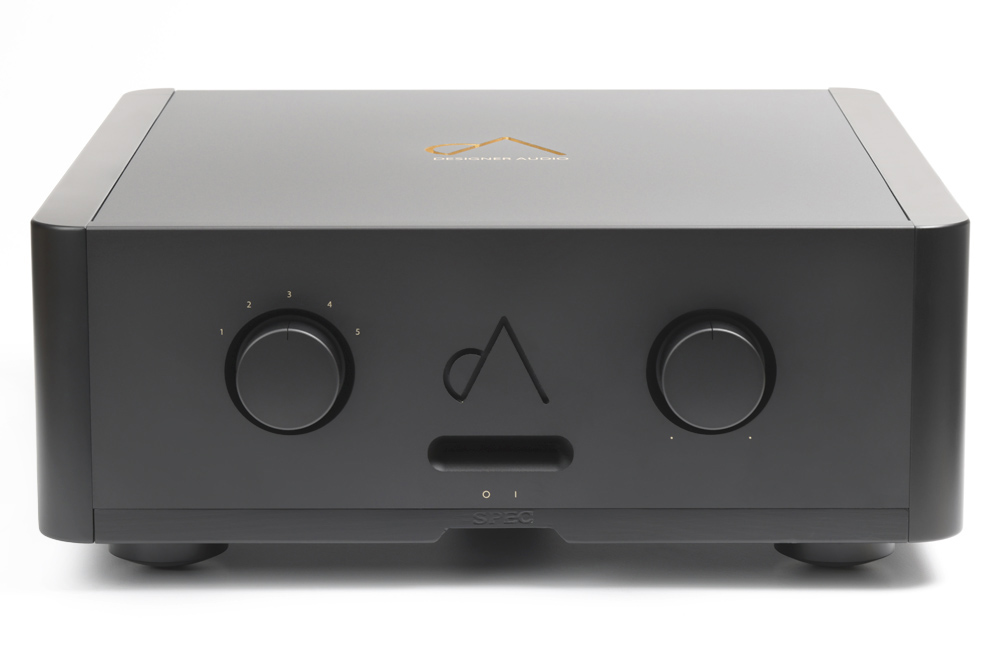
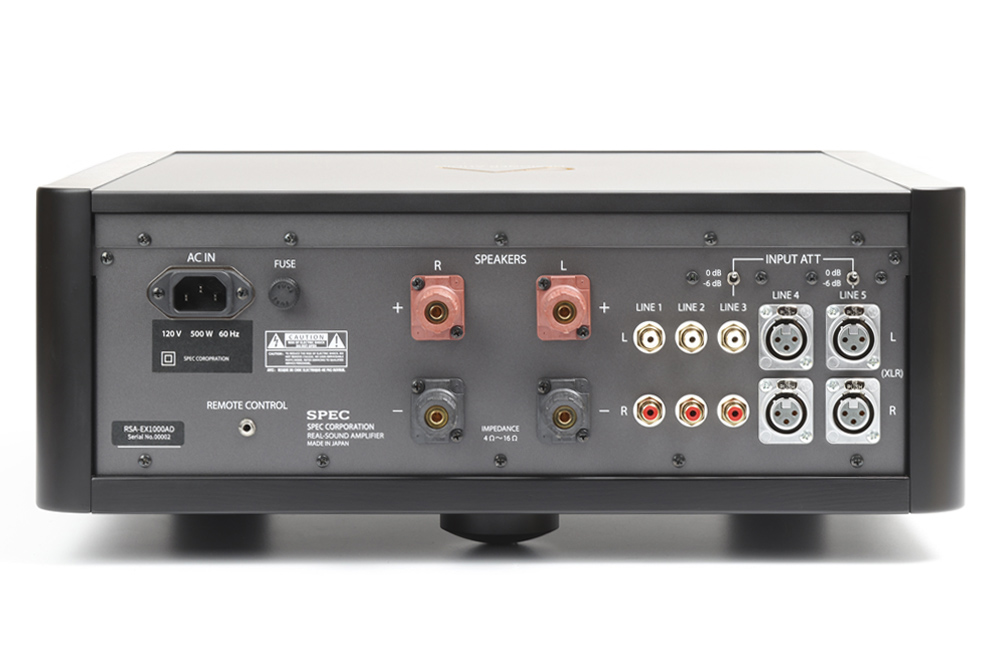
Just now I mixed things up. I described bass guitar in the same paragraph as sizzling electric guitar. I don’t usually do that. Instead, my standard manner of describing a component splits everything up—how it handles bass, midrange, and treble, then imaging, then dynamics. Maybe I’ll play a bit with the sequence, but we’re not animals; we live in a society and need order. The RSA‑EX1000 made it difficult to focus on these properties in a linear manner. Each album I played exhibited facets, characteristic qualities, that pulled me in all sorts of different directions. A case in point: I hadn’t listened to Duke Ellington’s Ellington Indigos (LP, Columbia CS 8053 / Impex IMP6010) for a year or so, but the Spec seemed to guide me to the “E” cube of my record rack. Ellington Indigos is brilliant music, all about the space between the notes, the dynamic shadings, the creation of an introspective mood. The RSA‑EX1000 blew open the front of my room, expanding it into a massive, reverberant hall.
While playing “Prelude to a Kiss,” the RSA‑EX1000 exhibited some contradictory yet complementary attributes. The upper midrange, specifically Johnny Hodges’s sax, was incisive and crisp—as it should be—but at the same time, I was intimately aware of the spit, the granular nature of his syrupy tone. The inner light, that sense of an actual reed vibrating, of air reverberating through brass, was palpable. Same with Shorty Baker’s trumpet on “Willow Weep for Me,” which possessed extended highs with harmonics that could pierce the clouds, but at the same time retained an almost pillow-like feeling of ease. At times I’d wonder to myself if there wasn’t just a tiny bit too much emphasis on the top end of Baker’s upper registers, but then I’d find myself sinking back into the experience. Why? Because that emphasis easily dissolved into an effervescent liquidity, kinda like how expensive champagne (which I don’t think is worth the money, but still) aerosolizes off the tongue.
Record Surplus Los Angeles – Walls of Vinyl | Record Store Tour October 15, 2026
October 21, 2026 § Leave a comment
JBL Summit Makalu loudspeaker Review
October 20, 2026 § Leave a comment
https://www.hifinews.com/content/jbl-summit-makalu
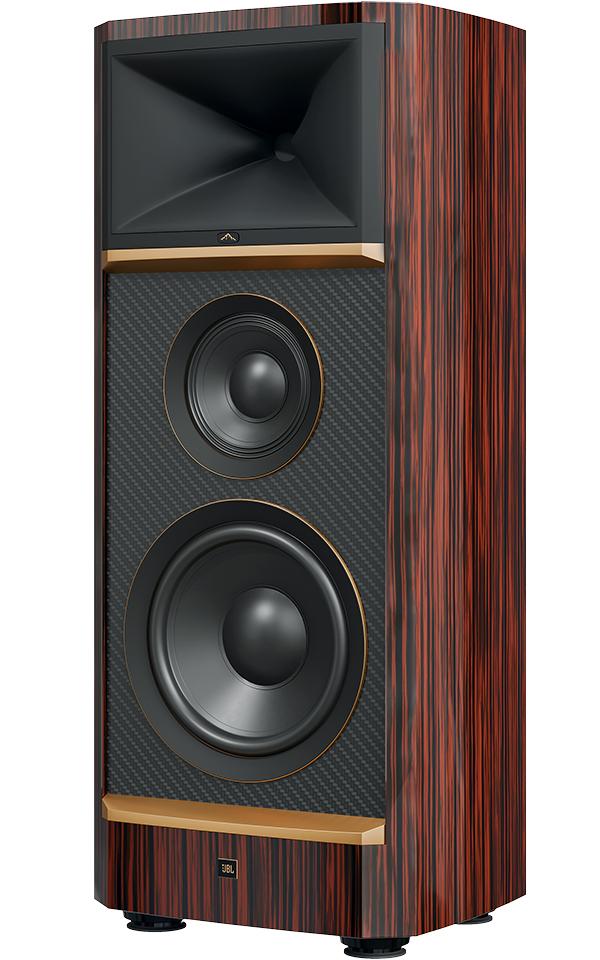
In the later Allegro non tropo, Shostakovich adds thumping timpani and rasping horns. These JBL speakers responded in kind, the presentation becoming more dynamic and vivid without losing sight of its inherent maturity and control. For those who still view big, horn-loaded speakers as boisterous, the balance of the Makalu may come as a shock. There’s nothing rough around the edges, which should be a given from a £37k speaker.
Notwithstanding this lack of an ‘attention-grabbing’ sound, it doesn’t take long to be won over by the Makalu. Listening to UFO’s ‘On With The Action’ [No Heavy Petting, Chrysalis Records CHRX 1103], the Summit Makalu floorstander punched out the drums and heavy metal guitar riffs on a grand, powerful scale. Arriving at Michael Schenker’s astonishing solo, with the band going at it hammer and tongs, the cohesive nature of the performance held up.
The Makalu’s sound is related to that of the Ama, but bigger, more joined up, and deeper in the bass. There was a greater feeling of the music arriving out of thin air rather than from a set of speakers. A track I had played through the smaller Summit model, Antonio Forcione’s ‘Caruso’ [Meet Me In London; Naim Label NaimCD021], was again startling in its blend of textures – stabs of electric bass interrupting nylon acoustic guitar and the vocals of Sabina Sciubba. But it sounded more naturally staged, open and flowing.
Michi Prestige X430 Stereo Integrated Amplifier $4,999 Review
October 20, 2026 § Leave a comment
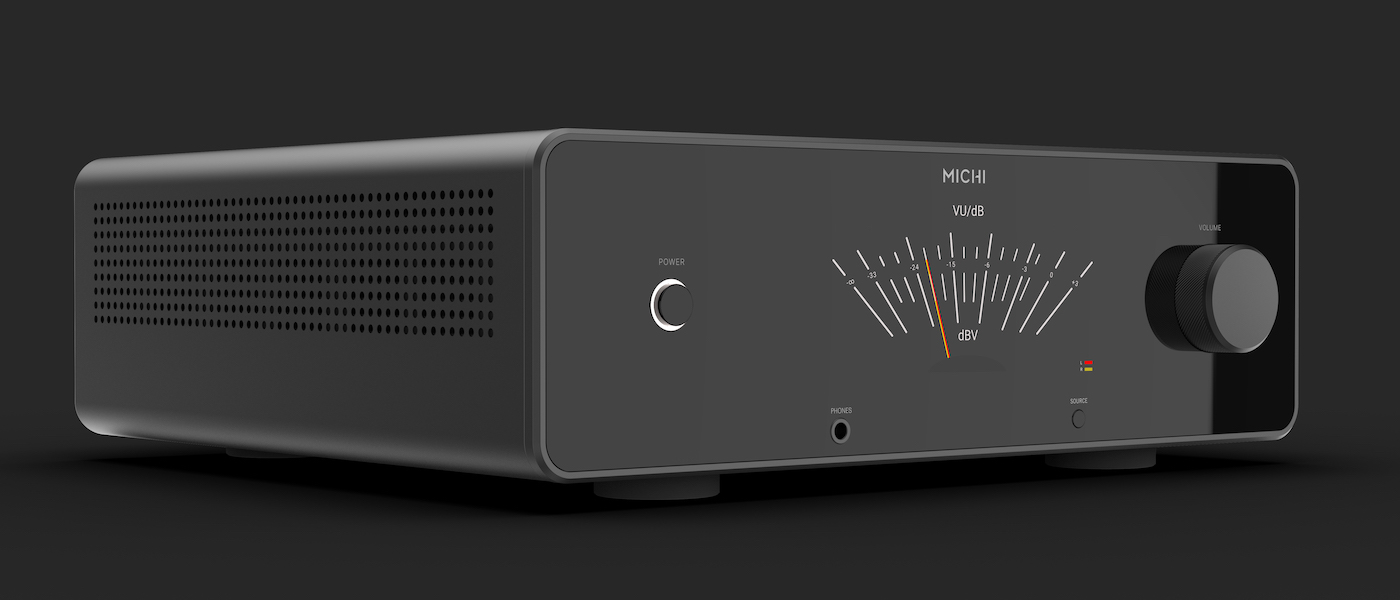
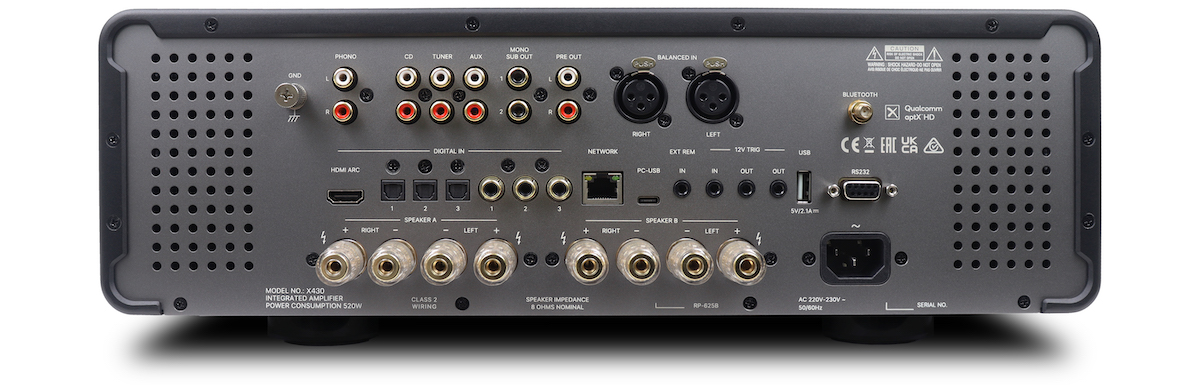
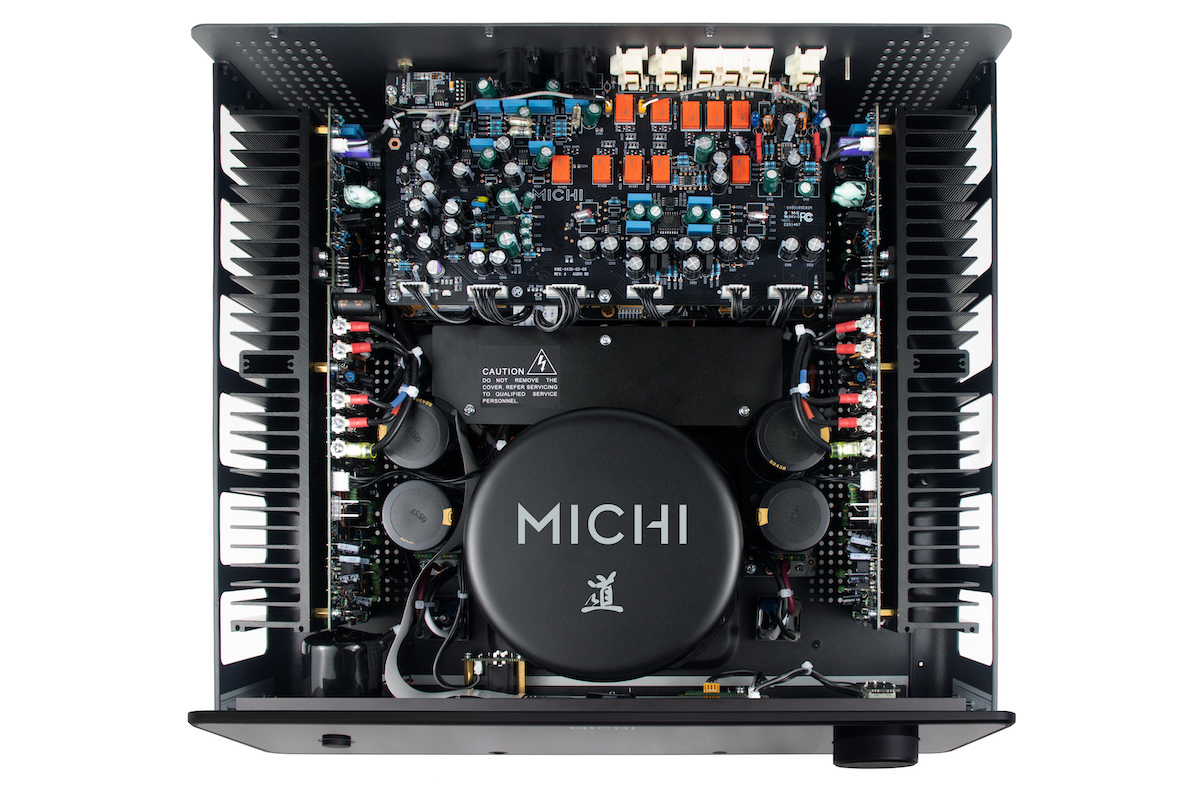
The Michi Prestige X430 Stereo Integrated Amplifier is an example of a company delivering on its over 65 years of experience building electronics. It’s built to last, is gorgeous, customizable, and integrates well with legacy analog sources, contemporary digital sources, or a 2.1 or 2.2 home theater system. This was my first time with a Michi component, and from the first moments of listening to music with it, I was impressed with its great sense of bass control and engagement.
If you are looking to build a 2-channel or home theater system (or both), I would recommend that you definitely audition the Michi Prestige X430 Stereo Integrated Amplifier. It will deliver the build and sound quality you’d expect for its $4,999 price tag.
Unpacking and first listening session of a one-million dollar amplifier
October 20, 2026 § Leave a comment
Esoteric Grandioso T1 Turntable Review
October 19, 2026 § Leave a comment
https://www.analogplanet.com/content/esoteric-grandioso-t1-turntable
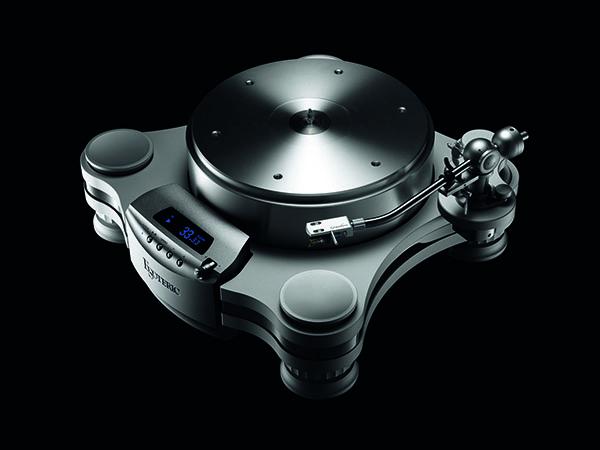
I keep several turntables to use in my reviewing process — SME 30/2, Brinkmann La Grange, Roksan TMS, Garrard 301, plus a few others — because each one offers a different set of strengths. The Esoteric Grandioso T1 turntable is the first turntable I’ve heard in my system that I feel could replace all of them on a sonic — though not a personal — level.
I liked the T1 best when the torque was cranked up to deliver the most PRaT, though the more relaxed sound resulting from lower torque seemed more appropriate for some music. Yes, the asking price is crazy, but presumably, if you’re shopping in this price range, you’re not digging through the couch cushions looking for a few lost pennies.
It’s good to see companies pushing the limits of what’s possible; hopefully we’ll soon see some of this technology trickle down to more approachably priced ‘tables. If the Esoteric T1 is within your budget, I can’t think of a better option.
GigaWatt PowerMaster AC Line Conditioner | REVIEW
October 19, 2026 § Leave a comment
https://pt.audio/2026/09/04/gigawatt-powermaster-review
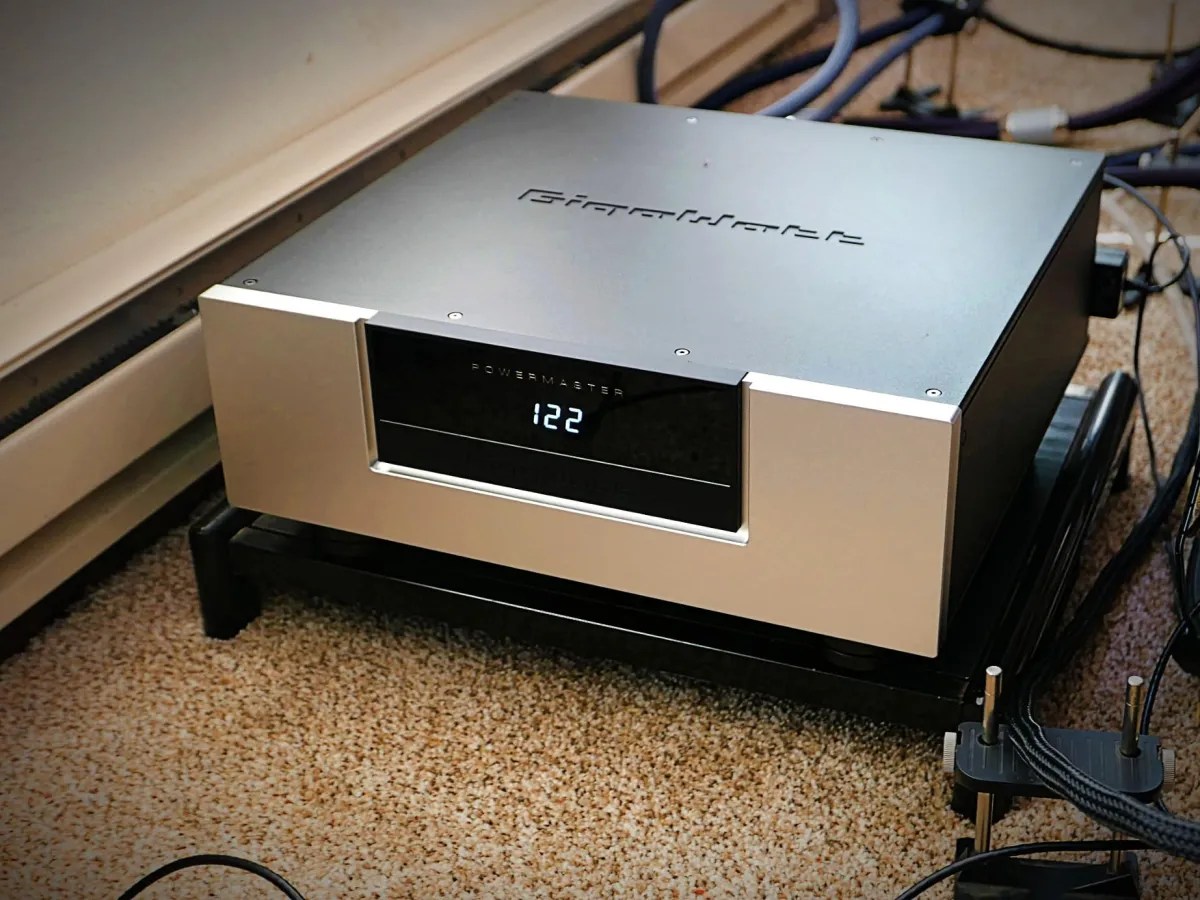
Noise reduction devices, as I’ve learned, have a cumulative effect. I often say “the more the merrier” with grounding hubs and isolation platforms and power conditioners and network switches because I haven’t yet reached the point where I’ve felt things couldn’t possibly get any quieter. Then I try something new, and I hear an even more profound lowering of the noise floor and I know there will always be room for improvement. The GigaWatt PowerMaster, however, convinced me that I could remove most of those other devices from my system and the results would be remarkably similar. That’s a broad claim to make, except I can back it up by saying I did remove all of noise reduction devices from my system except for the PowerMaster, and I still felt I had heard the single most effective product for power management I’ve used. Highly recommended.


You must be logged in to post a comment.